Most leases include a line about not drilling into the walls. Most renters read it, nod, and then stare into a closet with four hangers and a shelf that fits exactly one hatbox. The good news: the storage that works hardest in a rental usually involves no drill at all. Tension rods, over-door hooks, freestanding units, and removable adhesive solve real problems — as long as you respect what each one can actually hold.
Three details decide which method will work in your place, and none of them are on the product packaging.
The surface. Removable adhesive needs a smooth, sealed, painted wall. Skip it on textured plaster, orange-peel finishes, wallpaper, brick, and anything painted in the last week or so — fresh paint is still curing and will come off with the strip. Tension rods need two parallel surfaces that can take steady sideways pressure, which means solid cabinet walls, tile, or a door frame rather than a flimsy shelf panel.
The door. Over-door hooks rely on the gap between the top of the door and the frame. That gap is often narrow, and a thick hook can stop the door from closing or scrape the frame every time. Measure the door's thickness and the gap before you order anything, and look for low-profile hooks if the clearance is tight.
The load. Be honest about what's going up there. A robe and two towels are one thing; a loaded backpack and a vacuum hose are another. Every method below has a ceiling, and it is almost always lower than the number on the box suggests.
A tension rod costs a few dollars and turns dead space into usable space in about ten seconds. The trick is finding spots with two opposing surfaces close enough together that the rod can press against both.
Measure the opening at the exact height where the rod will sit — cabinets and doorways are rarely square, and the narrowest point is what matters. Install it, then check it again a week later; humidity and temperature swings loosen tension over time.
One caution: don't crank a tension rod so hard that it bows the cabinet sides. Firm contact is the goal, not maximum pressure.
Over-door hardware is the fastest way to claim the back of a door, which is often the least-used vertical surface in a small apartment. A simple hook rack on a bedroom door holds tote bags, belts, and tomorrow's outfit. On a bathroom door, a rack with several hooks handles towels and robes without a single screw.
Two habits make them last. First, line the metal with felt pads or a strip of foam tape where it touches the door — bare hooks leave scuff marks that show up in a move-out inspection. Second, spread the weight. A long over-door rack with an even load stays put; one heavy duffel hung on the end pulls the whole thing off balance.
Don't overlook cabinet doors. Small over-cabinet hooks hold cutting boards, mugs, dish towels, and pot lids. Keep those loads light — cabinet doors are thin and their hinges were never designed to carry weight.
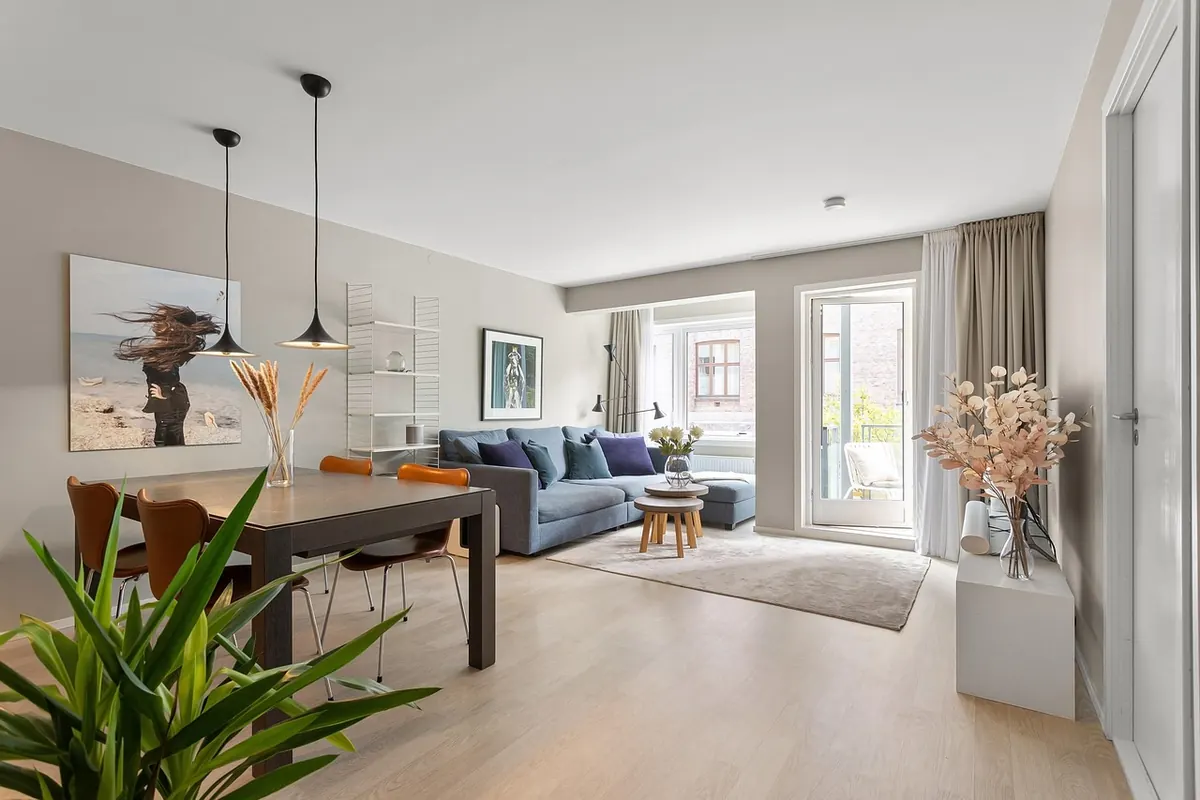
If you want capacity rather than cleverness, buy furniture. A narrow rolling cart slides into the gap beside the fridge and holds oils, cutting boards, and a compost bin. A stackable drawer tower fits inside a closet floor and gives you the dresser your bedroom doesn't have. Cube organizers, wire shelving, and storage benches all do the same job: they give you volume without touching the wall.
Measure twice. Doorways, stairwells, and tight hallway turns have ended more furniture purchases than any lease clause. And put the heavy items on the bottom shelf of anything tall — a freestanding bookcase loaded at the top is a tipping hazard.
If you have small children or a large dog, anchoring matters. Talk to your landlord about an anti-tip strap: it's a small hole, easily patched, and worth the conversation.
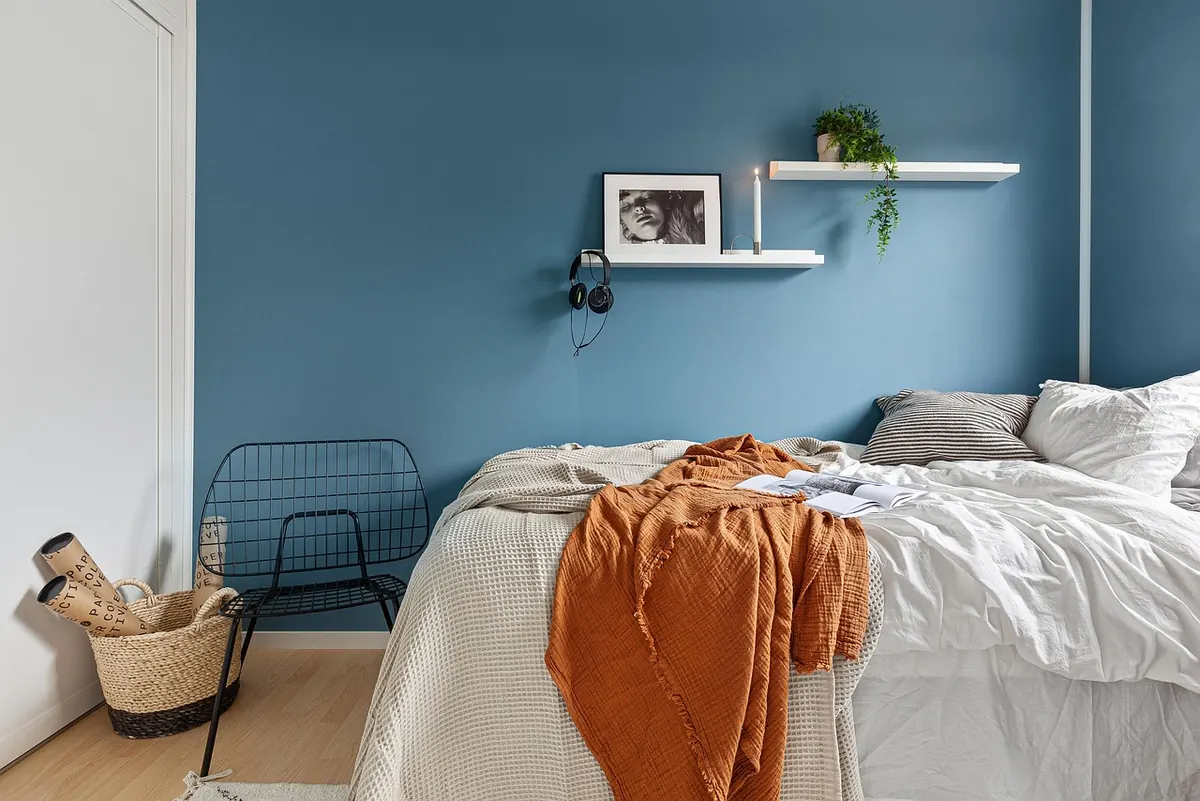
Adhesive hooks and strips are genuinely useful for light, low-risk jobs: keys by the door, a lightweight frame on a hallway wall, cable clips behind a desk, a hook for headphones. They are a bad idea for mirrors, glass, anything breakable over a bed or sofa, and anything you'd be upset to see fall at 3 a.m.
Follow the instructions more carefully than you think necessary. Clean the wall with rubbing alcohol and let it dry completely. Press the strip firmly for the full recommended time. Wait out the cure period before hanging anything. Then treat the package's weight limit as a maximum under perfect conditions — halve it for real life.
Heat is the enemy. Adhesive softens near radiators, in direct summer sun, and above stoves, so keep it out of those zones. When it's time to remove, pull the tab straight down along the wall, slowly, rather than out toward you. That's the difference between a clean removal and a peeled patch of paint.
Start removing hardware about a week before you move, not the night before. Adhesive tabs come off best when you're not rushed. Loosen tension rods rather than yanking them. Take the over-door hooks down and check for scuffs while you still have time to deal with them.
At move-in, photograph every wall, door top, and cabinet interior and keep the images somewhere you'll find them. If something does get marked, tell your landlord and offer to touch up with the paint they left behind rather than guessing at a color. Most leases allow for normal wear, and most landlords care far more about an honest conversation than about a small scuff.
Do all that, and you can add real storage to a rental — then pack it up and take every bit of it with you.
Photo: Curtis Adams / Pexels